At AHP Connect, our focus is on delivering tailored, hands-on care to improve mobility, strength and overall well-being. One of the most valuable services we offer is a podiatry biomechanical assessment evaluation of the feet and lower limbs. In simple terms, this is a detailed look at how your feet, ankles, knees and hips move, and how that movement (or lack thereof) impacts your comfort and performance.
Many people don’t realise that what happens at the foot can ripple up through the legs, hips and back. A properly conducted biomechanical assessment helps us identify hidden imbalances so we can support you with effective treatment.
What is a Biomechanical Foot Assessment?
When we talk about a biomechanical assessment in podiatry, we mean an examination of how the bones, muscles, and joints of your feet and lower limbs interact and move.
In practice, a podiatrist will:
- Analyse your gait (how you walk or run) and foot posture.
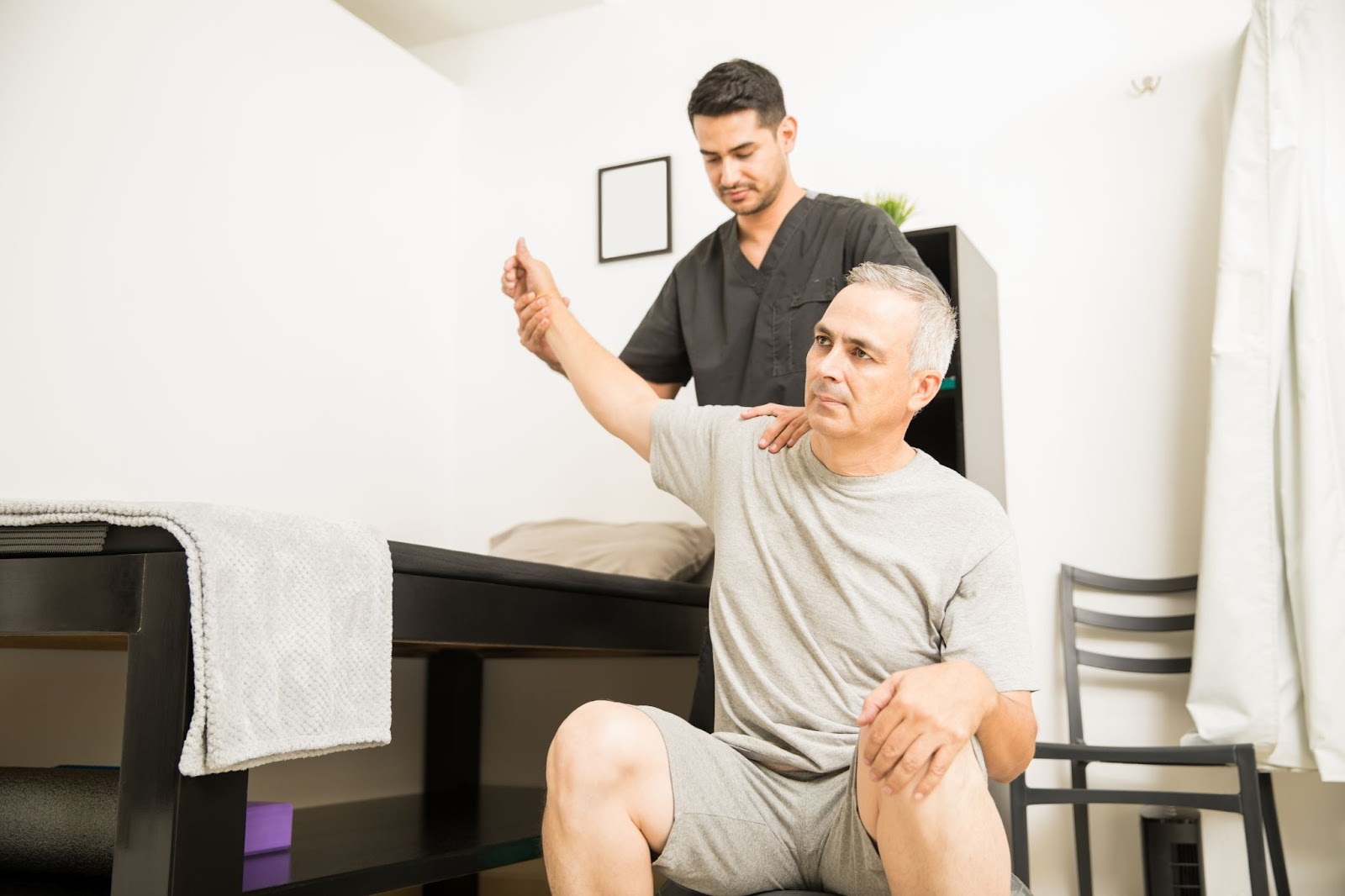
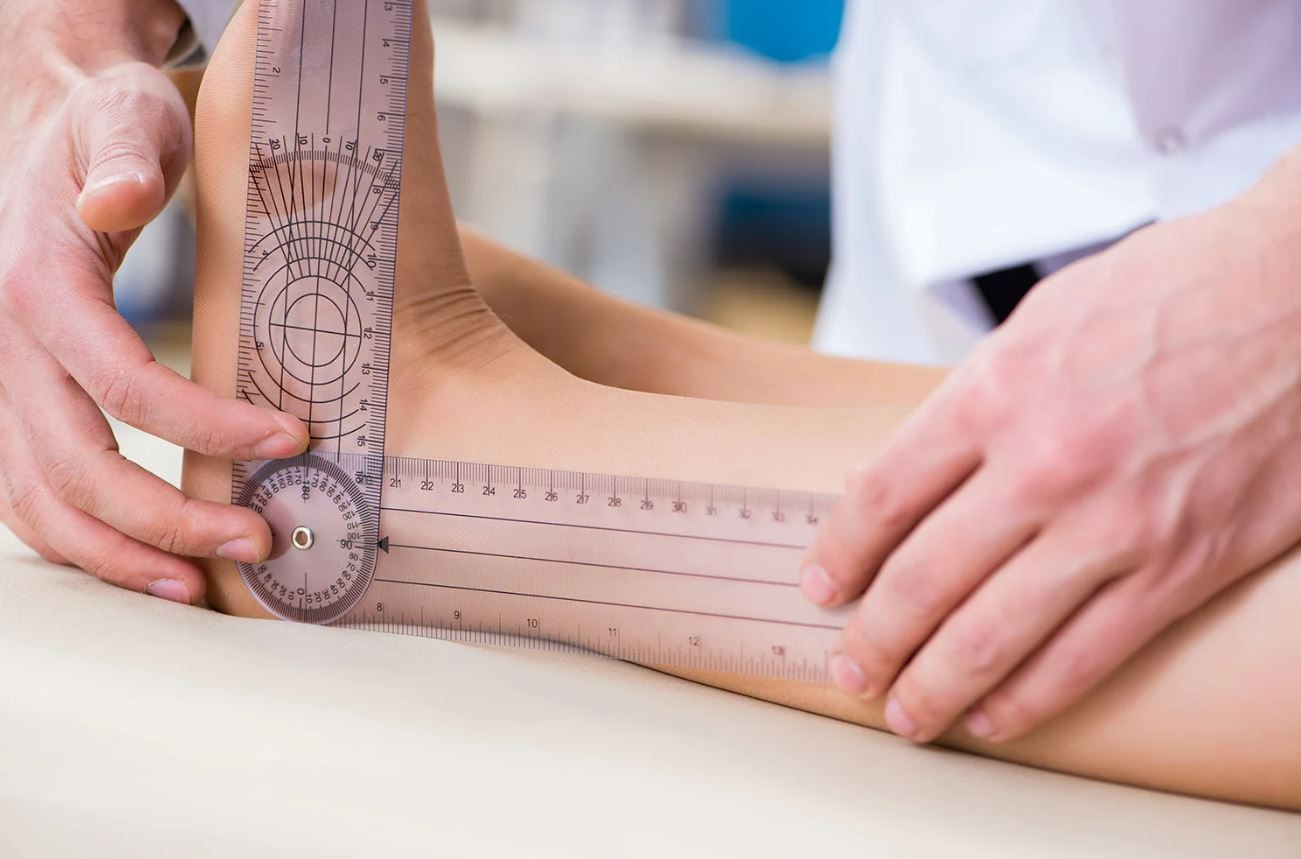
- Test joint range of motion, muscle strength and flexibility.
- Study how your foot aligns when standing, and how it functions during movement.
The aim of a biomechanical assessment podiatry review is to uncover dysfunctions, for example, excessive pronation or supination, leg-length discrepancy, weak foot muscles, or joint stiffness, and to identify how these issues might be contributing to pain or reduced mobility.

Why These Assessments Matter
Why invest in a biomechanical assessment by a podiatrist? Because your feet don’t exist in isolation, they are the foundation for your entire lower-limb chain. If something is misaligned at the foot or ankle, your knees, hips, and even your back may compensate. That compensation can lead to knee pain, hip discomfort or back strain over time.
Early detection through a good assessment can prevent long-term problems. For example, an athlete might have recurring shin splints because of a subtle foot posture issue. A timely biomechanical assessment identifies the root cause rather than simply treating the symptom. In fact, Queensland Health explains that lower-limb biomechanics “ takes into account the anatomy of the leg and foot, and how that interacts with the muscles, tendons, ligaments and other tissues in the area, to allow the body to move.”
In short, improving the mechanics at the foot level can mean less pain, better movement efficiency and reduced risk of future injuries.
Who Benefits Most from a Biomechanical Assessment?
A biomechanical assessment is beneficial for a broad range of individuals:
- Athletes, runners or active people who want to optimise performance or prevent injury.
- Anyone recovering from lower-limb injury, surgery or rehabilitation.
- Individuals with recurring pain in the feet, ankles, knees, hips or back and no obvious cause.
- Workers who spend a lot of time on their feet may develop lower-limb imbalance.
At AHP Connect, we see clients referred for persistent foot or lower-limb issues, those wanting to improve movement efficiency, and those who simply want to avoid long-term problems by getting ahead of them.
What Happens During a Podiatry Assessment at AHP Connect
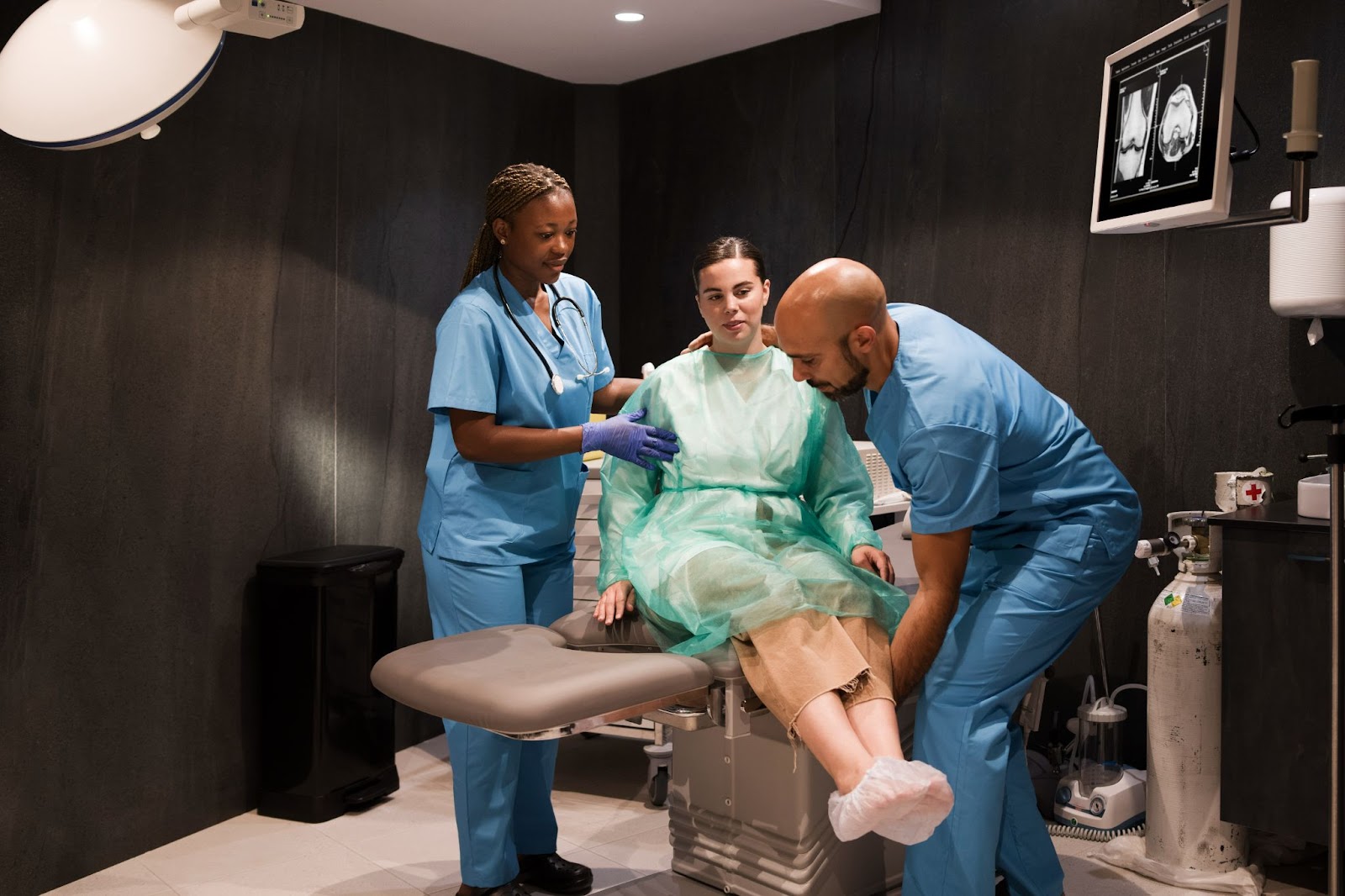
When you come in for a biomechanical assessment session at AHP Connect, here’s what you can expect:
- Case History & Lifestyle Review
We begin by discussing your medical history, any past injuries, your daily activity levels, your footwear habits and what you hope to achieve. - Static Foot & Postural Evaluation
Our podiatrist will examine your feet, ankles, knees and hips while standing and sitting. We’ll look at foot posture (for example, arch height, heel alignment) and check for leg-length differences and joint mobility. - Gait & Movement Analysis
You’ll walk (or run, if applicable) while we observe your gait and foot function. We may use video or treadmill tools to capture how your feet and lower limbs move in dynamic conditions. - Footwear & Surface Review
We’ll review your regularly worn shoes, look at wear patterns and discuss how your choice of footwear might be influencing foot mechanics. - Diagnostic Feedback & Findings
Finally, we’ll share what we’ve observed: any imbalances, alignment issues or movement dysfunctions. Then we’ll explain how those findings will guide your tailored care.
At AHP Connect, our on-site facility means we can move smoothly into the next step, whether that’s physiotherapy, rehabilitation or hydrotherapy, without you being referred elsewhere.
From Assessment to Treatment: Integrated Care at AHP Connect
Once your biomechanical assessment podiatry findings are clear, we customise a treatment plan for you. Possible outcomes and treatment pathways include:
- Over-pronation or under-pronation (supination): If you exhibit excessive or insufficient foot roll during gait, we might recommend orthotics or gait retraining.
- Leg length discrepancy: Even small differences in limb length can alter biomechanics. Identifying this enables targeted correction.
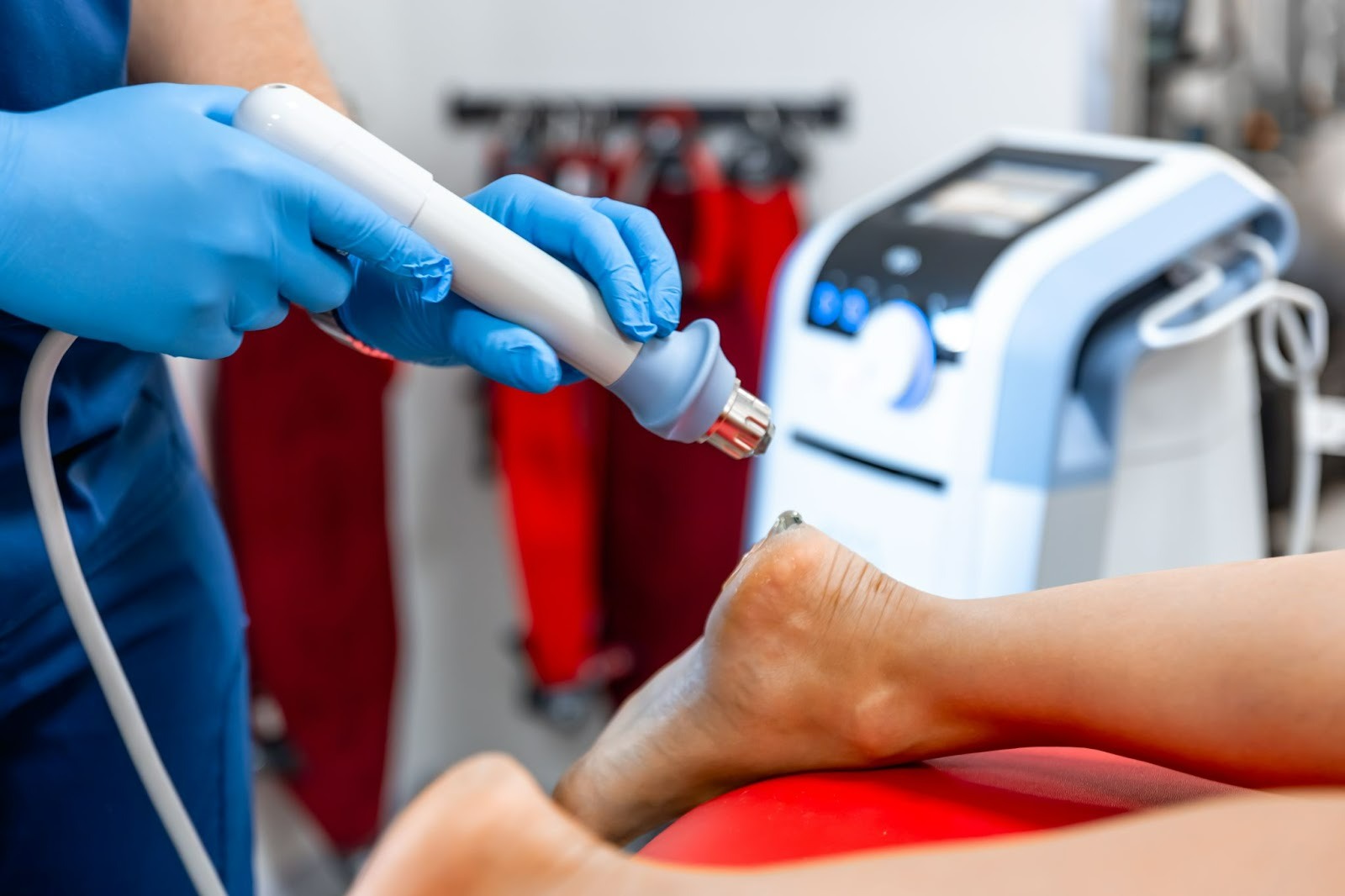
- Weak foot/ankle muscles: We may prescribe strengthening exercises as part of physiotherapy to build foot stability and support.
- Joint mobility issues: Reduced movement in ankle or hip joints may be addressed through rehabilitation or hydrotherapy for a gentle, supported environment.
By integrating podiatry with physiotherapy, rehabilitation and hydrotherapy, AHP Connect ensures you’re not just diagnosed, but supported through to complete movement improvement and pain reduction. The benefits include improved mobility, better movement efficiency and long-term support for your lower limbs.

Common Questions Answered
What is a biomechanical foot assessment?
It’s a detailed evaluation of how your feet and lower limbs interact when you stand, walk or run, looking for imbalances and dysfunctions that may contribute to pain or reduced performance.
What does a podiatry biomechanical assessment involve?
It typically involves a case history, static and dynamic assessments of your foot posture and gait, joint and muscle testing, footwear review and then feedback on what needs to be addressed.
Does it hurt?
No. The assessment is non-invasive and focuses on observation and testing movement. If you’re already in pain, we’ll proceed gently.
How soon will I see results?
That depends on your individual findings and treatment plan. Some people experience improved comfort and mobility shortly after starting orthotics or an exercise programme. Others on more complex rehabilitation may take longer, but the key is consistent support.
Book Your Assessment at AHP Connect
If you’re experiencing persistent foot, ankle, knee, hip or lower-back discomfort, or simply want to optimise how you move, book a biomechanical assessment podiatry session at AHP Connect today. With our on-site facility delivering podiatry, physiotherapy, rehabilitation and hydrotherapy in one coordinated setting, you’ll benefit from a seamless diagnosis-to-treatment journey.
Take the first step towards lasting comfort and improved mobility by contacting our team and scheduling your assessment today.